
Transform Your Health Through Mindful Eating
Learn practical nutrition approaches to enhance your daily wellbeing and sustained energy through our comprehensive guide and personalized coaching program.
Why Healthy Eating Matters
Proper nutrition is the foundation of physical and mental wellbeing. When you fuel your body with nutrient-dense whole foods, you're investing in sustained energy, mental clarity, and long-term health resilience. The food choices you make today shape how you feel tomorrow and the years ahead.
Research consistently shows that balanced eating patterns support healthy body weight, cardiovascular function, and cognitive performance. Beyond the physical benefits, mindful nutrition practices build awareness and confidence in your relationship with food, creating a positive cycle of healthier decisions.
- Sustained energy throughout your day
- Enhanced mental focus and mood stability
- Strengthened immune system function
- Better sleep quality and recovery
Key Healthy Eating Strategies
Practical approaches to building sustainable nutrition habits
Whole Food Focus
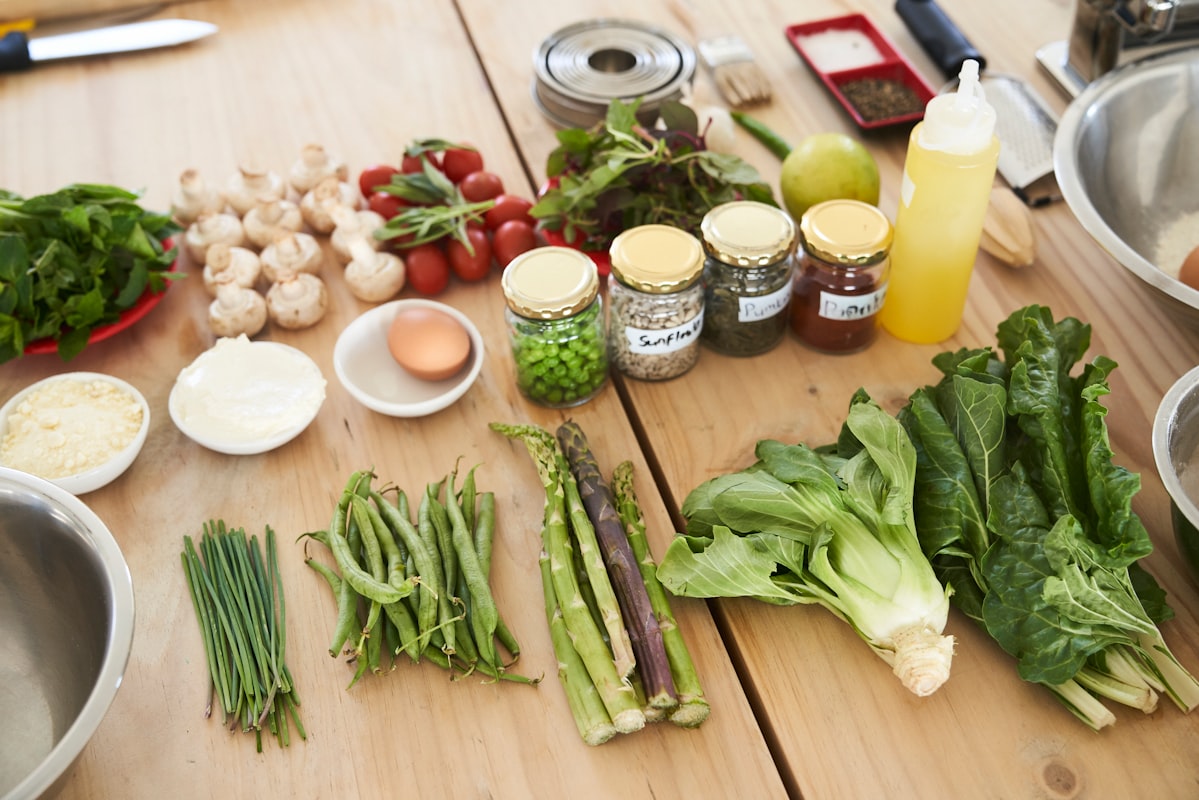
Build your meals around unprocessed whole foods—vegetables, fruits, legumes, whole grains, nuts, and quality proteins. These foods deliver maximum nutritional value and support stable blood sugar and sustained energy.
Colourful Variety
Eat the rainbow. Different coloured foods contain diverse nutrients and beneficial compounds. Aim for variety across deep greens, bright oranges, reds, and purples to ensure broad micronutrient coverage.
Hydration Matters
Water is fundamental to every metabolic process. Proper hydration supports digestion, nutrient absorption, mental clarity, and physical performance. Make water your primary beverage throughout the day.
Portion Awareness
Develop intuitive awareness of appropriate portion sizes. Eat slowly, chew mindfully, and tune into hunger and fullness cues. This prevents overeating and builds a healthier relationship with food.
Meal Timing
Establish consistent meal timing that aligns with your natural rhythms. Spacing meals appropriately helps maintain stable blood sugar, prevents energy crashes, and supports digestive efficiency.
Balanced Nutrition
Each meal should include protein, healthy fats, and carbohydrates in balanced proportions. This combination provides sustained satiety, stable blood sugar, and the nutrients your body needs for optimal function.
Your 5-Step Journey to Better Health
A practical roadmap for transforming your nutrition habits
Assess Your Current Eating Patterns
Begin by observing your existing food choices without judgment. Keep a simple log for a few days, noting what you eat, when, and how you feel. This awareness reveals patterns and highlights areas for positive change.
Set Realistic, Specific Goals
Rather than vague intentions, define concrete changes. Instead of "eat healthier," aim for "add one vegetable serving to lunch daily" or "replace sugary drinks with water." Specific goals create clarity and enable progress tracking.
Build a Simple Meal Framework
Create basic meal templates using whole foods you enjoy. Plan a rotation of simple breakfasts, lunches, and dinners. This removes daily decision fatigue and makes healthy choices the easiest choice.
Prepare and Plan Ahead
Dedicate time to meal preparation and planning. Chop vegetables, cook grains, and portion snacks in advance. When healthy food is visible and accessible, you're far more likely to choose it over convenient processed options.
Monitor Progress and Adjust
Check in regularly with how your changes feel—energy levels, mood, sleep quality, and physical wellbeing. Be flexible and adjust your approach based on what works for your unique body and lifestyle.
Nutritious Recipe Inspiration
Discover wholesome meal ideas to fuel your health journey

Mediterranean Grain Bowls
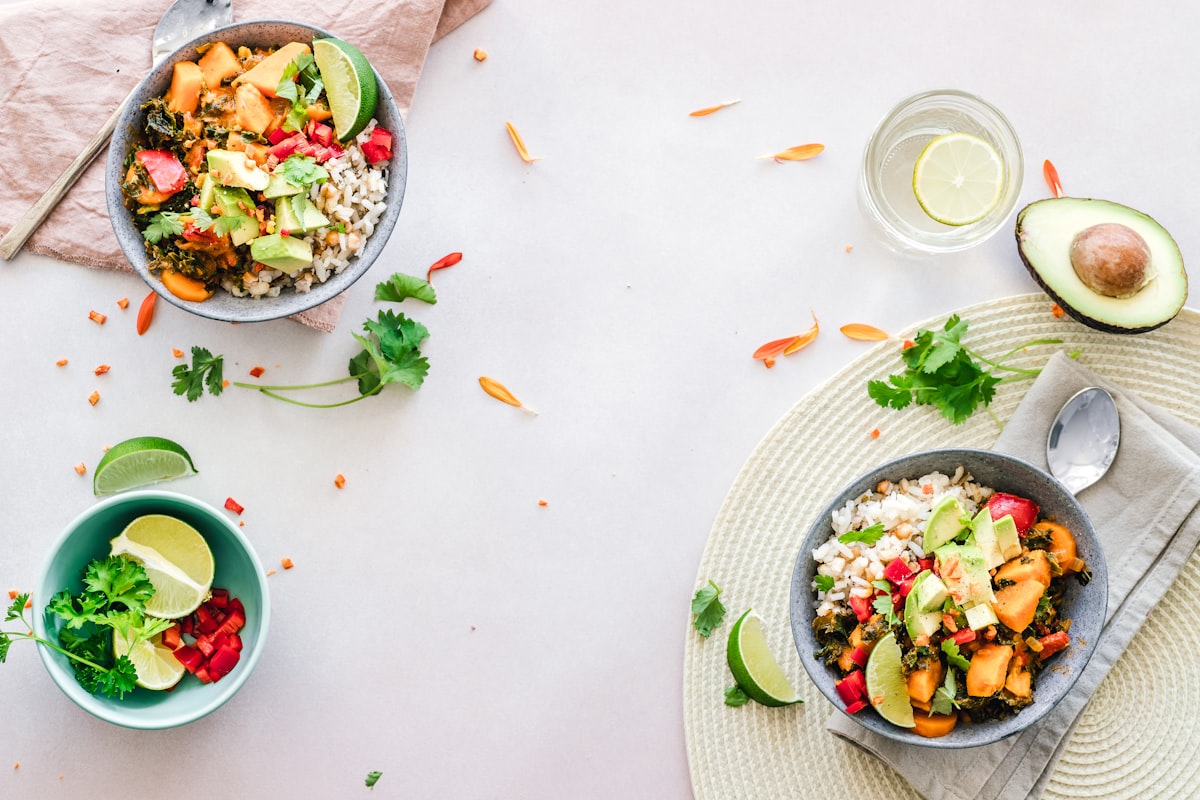
Combine whole grains, roasted vegetables, legumes, and fresh herbs with olive oil and lemon. These nutrient-dense bowls are filling, colourful, and packed with plant-based protein.

Power Smoothie Bowls
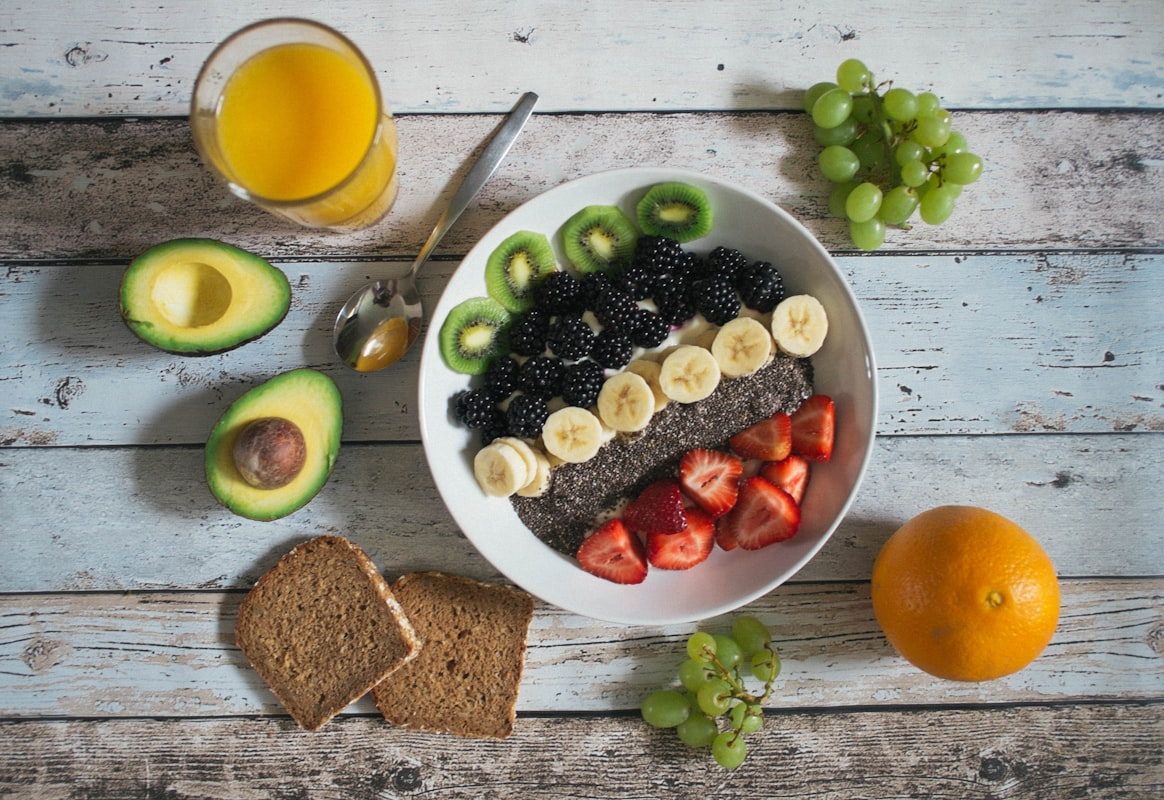
Blend frozen fruits with natural yogurt or plant-based milk, then top with fresh berries, seeds, and nuts. Perfect for breakfast, these bowls deliver vitamins, probiotics, and sustained energy.
Protein-Rich Baked Meals
Bake quality protein with roasted vegetables for a simple, nourishing dinner. This cooking method preserves nutrients while creating delicious, easy-to-prepare meals that support muscle and tissue health.

Fresh Green Salads
Build salads with dark leafy greens, raw and cooked vegetables, quality protein, and a simple olive oil dressing. These provide essential micronutrients and fibre while being light yet satisfying.

Nourishing Soups and Stews
Simmer vegetables, legumes, and herbs in broth to create warming, satisfying meals. These one-pot meals deliver multiple food groups and are simple to prepare in batches for the week.
Smart Snack Combinations
Pair nuts with fresh fruit, vegetables with hummus, or natural yogurt with berries. Strategic snacking prevents energy crashes and supports sustained mental focus throughout your day.
Discover Evidence-Based Nutrition Content
Browse our comprehensive collection of articles exploring healthy eating strategies, practical nutrition tips, and science-backed approaches to building sustainable wellness habits.
Browse ArticlesWhat Our Readers Say
Real feedback from people transforming their nutrition and health
The nutrition articles here completely changed how I think about food. I started implementing the meal planning strategies and noticed more energy within two weeks. What impressed me most was how practical and non-restrictive the advice is—these are genuinely sustainable changes I can maintain for life. Customer from Leeds non-restrictive the advice is—these are genuinely sustainable changes I can maintain for life.
Sarah Mitchell
Leeds
I've struggled with understanding nutrition for years, but the resources here break it down so clearly. The section on whole foods and balanced meals helped me stop overthinking and start eating intuitively. I've improved my digestion and feel lighter and more confident since using this product. James Thompson Manchester and more confident.
James Thompson
Manchester
As someone managing a busy lifestyle, I appreciate how Nutrition Core Balance focuses on practical strategies rather than perfection. The meal prep tips and recipe ideas have saved me hours of planning. Best part? I actually enjoy eating this way now—it doesn't feel like a diet.
Emma Richardson
Birmingham
The five-step journey framework was exactly what I needed to stop bouncing between fad diets. I've applied the principles and finally feel like I have sustainable eating habits. My energy is consistent, my mood is better, and I'm not constantly hungry. Highly recommend for anyone serious about real change.
Marcus Chen
Bristol
Common Questions About Nutrition
Answers to help clarify your healthy eating journey
Q How long does it take to see results from healthy eating changes?
Many people notice subtle changes within two weeks—better sleep, more consistent energy, improved digestion. More visible changes typically emerge over 4-8 weeks as your body adapts. Everyone's timeline differs based on starting point, consistency, and individual metabolism. Focus on how you feel rather than chasing rapid visible transformations.
Q Do I need to follow a specific diet to be healthy?
No single diet works for everyone. Rather than rigid diet rules, focus on foundational principles: whole foods, adequate hydration, balanced meals, and consistency. Different dietary approaches—Mediterranean, plant-based, balanced omnivorous—can all support health when built on quality food choices. Find what aligns with your preferences and lifestyle.
Q What about occasional treats and flexibility?
Sustainable nutrition includes occasional treats without guilt. Eating mindfully 80-90% of the time creates space for flexibility without derailing progress. The goal is balance and peace with food, not perfection. A rigid mentality often leads to binge cycles. Allow yourself consistent, moderate enjoyment of foods you love while maintaining core healthy habits.
Q How can I maintain healthy eating while traveling or socialising?
Plan ahead: research restaurant menus, eat a light healthy snack before social events to avoid arriving hungry, communicate your preferences when possible, and focus on protein and vegetable options wherever you eat. Remember: one meal doesn't define your health. Socialising and occasional variations are normal and healthy. Return to your baseline habits when you're back home.
Q What's the difference between nutrition and individual body needs?
General nutrition principles apply broadly, but individual needs vary based on age, activity level, body composition, and health status. What works optimally for someone highly active may differ from sedentary individuals. Start with evidence-based fundamentals, then personalise based on how your body responds—energy, sleep quality, mood, and physical performance are your guides.
Q How do I avoid getting overwhelmed when changing eating habits?
Start small. Choose one or two changes rather than overhauling everything overnight. Perhaps begin by adding more vegetables or replacing sugary drinks with water. Master these before adding next steps. Small, sustainable changes compound over time into significant health improvements. Slow progress you maintain beats rapid changes you abandon.
Start Your Wellness Journey Today
Access comprehensive articles, practical strategies, and evidence-based insights to transform your health through mindful eating. Our editorial team is committed to providing information that supports your wellbeing.
Questions or feedback about our articles? Contact our editorial team